Sustainable Solutions: How E-Waste Recycling Services Are Saving Our Planet
E-waste poses significant threats to the environment, as discarded electronics often contain toxic materials. These toxic materials have the potential to taint soil and water sources, leading to broader ecological damage. Electronic waste recycling programs offer an effective remedy. They successfully retrieve useful resources while simultaneously minimizing environmental pollution. Gaining insight into how these programs function and affect local communities is critical. The journey towards effective e-waste management raises critical questions about individual responsibility and collective action. What actions should be considered going forward?
Why E-Waste Is Bad for the Planet
Although technological advancements improve our daily lives, e-waste creates serious threats to the environment. Discarded electronic devices, often containing toxic substances including cadmium, lead, and mercury, are capable of seeping pollutants into soil and groundwater, presenting dangers to both wildlife and human well-being. The swift progression of technology results in increased consumer turnover of electronics, exacerbating the accumulation of discarded electronic materials.
Landfills, already overwhelmed with refuse, find it difficult to handle the increasing amounts of discarded devices. Burning, an alternative disposal approach, discharges toxic contaminants into the air, worsening overall air quality. Moreover, poor recycling procedures can cause e-waste to be sent to developing regions, where employees may disassemble electronics without sufficient safety precautions, leaving them vulnerable to harmful substances. This cycle of neglect and improper handling underscores the urgent need for sustainable recycling solutions that can mitigate the adverse effects of e-waste on the planet.
Understanding E-Waste and Its Significance
E-waste, also referred to as electronic waste, encompasses obsolete electronic products like computers, smartphones, and televisions that have exceeded their operational lifespan. This rapidly expanding waste category is noteworthy owing to its accelerating volume, propelled by advances in technology and evolving consumer behaviors. As more devices become obsolete, the toll on the environment grows more severe, with harmful substances like lead, mercury, and cadmium threatening both ecosystems and public health.
The significance of tackling e-waste extends beyond minimizing these risks to recognizing the valuable resources it holds. Valuable metals and rare earth materials can be extracted and repurposed, lessening the demand for mining and preserving natural resources. With a thorough understanding of e-waste and its impact, people and organizations alike can make educated decisions about disposal and recycling, helping to build a more sustainable world. Responsible management of e-waste plays a key role in supporting a circular economy and championing environmental stewardship.
How E-Waste Recycling Works
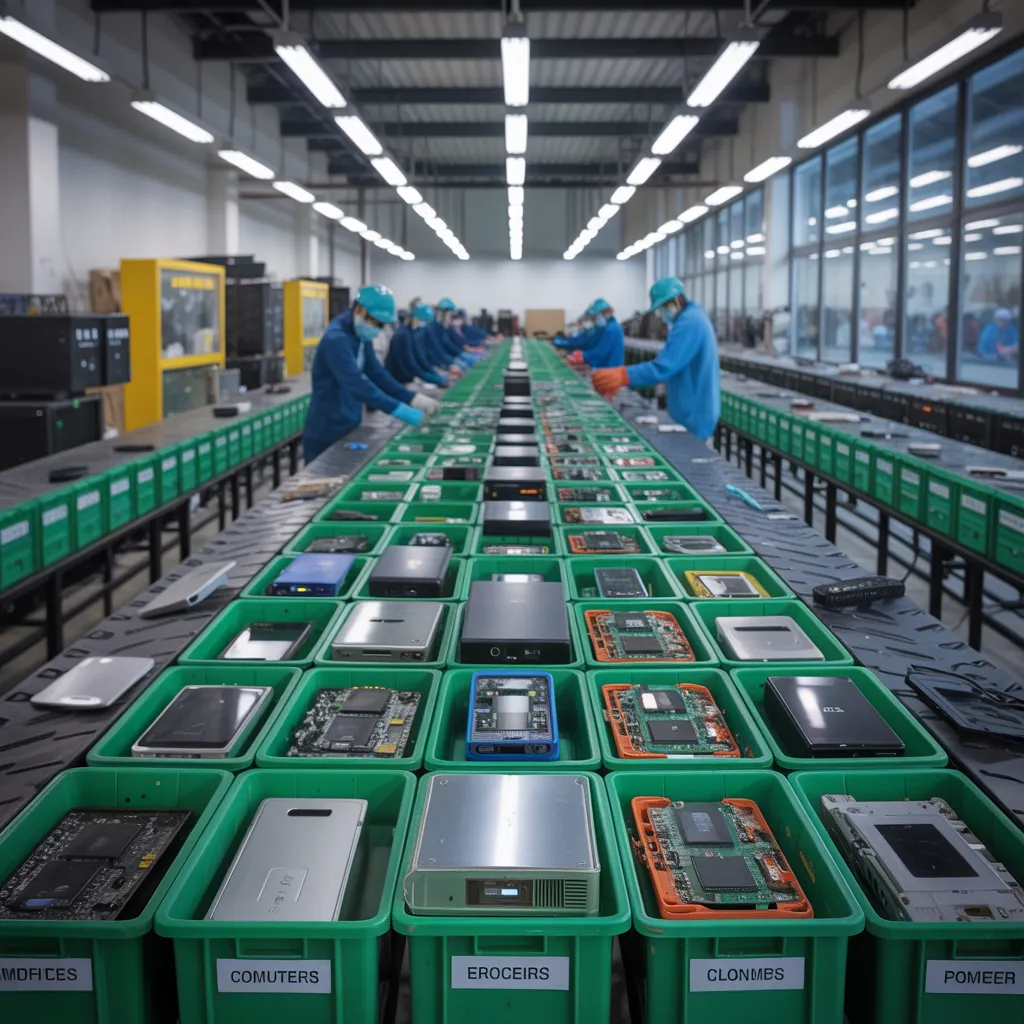
E-waste recycling entails a structured approach designed to recover valuable materials while minimizing environmental impact. Initially, discarded electronics are retrieved and sent to dedicated processing centers. Once there, the equipment is meticulously organized to isolate dangerous parts from recoverable materials.
Next, workers take apart the electronics, separating glass, metals, and plastics. This phase is essential, as it makes possible the recovery of high-value metals like silver, gold, and copper, which may be utilized in new electronic products.
Afterward, the separated materials are refined using sophisticated techniques, such as shredding and specialized chemical treatments, to purify them for further use.
Ultimately, the leftover hazardous waste is handled with responsibility, complying with environmental guidelines. This systematic method not only saves important resources but also mitigates the risks connected to unsafe e-waste handling, securing a more eco-conscious future for electronic device usage.
Benefits of E-Waste Recycling for You and Your Community
Although it often goes unnoticed, the advantages of e-waste recycling go far beyond individual benefit and actively shape entire communities. By carefully processing electronic waste, individuals contribute to a cleaner environment, minimizing hazardous materials that can seep into soil and water. This responsible method actively safeguards local ecosystems and advances public health.
Moreover, e-waste recycling fosters the creation of jobs in communities. Nearby recycling establishments regularly need employees for various operations, from collection to processing, therefore offering work opportunities to area workers. This not only boosts the local economy but also inspires community dedication to sustainable efforts.
Moreover, awareness of e-waste recycling has the potential to generate educational initiatives, encouraging residents to pursue greener alternatives. By engaging with e-waste recycling programs, individuals cultivate a culture of sustainability, encouraging others to embrace similar practices. All things considered, the collective impact of these actions can result in a more sustainable and conscientious community.
How to Pick an E-Waste Recycling Service
Selecting the right e-waste disposal service is vital for guaranteeing that e-waste is processed with responsibility and sustainability. First, consumers should verify the company's credentials, such as R2 or e-Stewards, which demonstrate adherence to established benchmarks for responsible recycling methods. Additionally, it is advisable to evaluate the provider's credibility by reviewing feedback and looking for recommendations from trusted sources.
Furthermore, clarity in the recycling process is essential. A trustworthy company should provide clear information about how e-waste is processed and how the materials are utilized. Furthermore, assessing the variety of services available can Read on be advantageous; various firms may supply retrieval services or extend benefits for recycling.
Ultimately, learning about local guidelines related to e-waste disposal can further guide the decision-making process. By prioritizing these factors, individuals can contribute to successful electronic waste reduction while supporting eco-friendly habits.
Ways You Can Participate in E-Waste Recycling?
Participating in e-waste recycling can start at the local level, where local recycling facilities regularly supply essential services for proper disposal. Moreover, taking part in community awareness campaigns can enhance efforts to educate others about the importance of ethical e-waste practices. Such efforts not only encourage sustainable practices but also build a collective sense of accountability for the environment.
Area Recycling Stations
Numerous neighborhood recycling stations perform an important function in recycling electronic waste, providing communities with accessible options to manage electronic waste appropriately. These hubs welcome a wide array of electronic devices, including used computers, handheld devices, and televisions, ensuring that harmful materials are handled safely. The majority of facilities employ knowledgeable personnel who support individuals in understanding proper disposal practices, emphasizing the importance of recycling over landfilling. In addition, various hubs coordinate drop-off events or designated collection days, making it easy for residents to participate. By engaging with these local facilities, people help build a circular economy, minimizing ecological impact and fostering sustainable behaviors. Engaging with these centers empowers communities to take action against e-waste pollution effectively.
Community Education Campaigns
Nearby organizations, schools, and enterprises can partner to arrange initiatives that encourage e-waste collection drives. Dedicated participants can take a leading part in spreading awareness, distributing educational materials, and engaging with the community. By means of these joint initiatives, community members grow more knowledgeable and inspired to dispose of their electronics responsibly, thereby helping to build a greener and more sustainable tomorrow.
Frequently Asked Questions
What Types of Electronics Can Be Recycled?
A wide range of electronics are able to be recycled, including smartphones, computers, laptops, televisions, printers, and gaming consoles. Furthermore, peripherals such as mice, keyboards, and batteries are also suitable for recycling, contributing to environmental conservation efforts.
Do Any Costs Come With E-Waste Recycling?
Indeed, e-waste disposal may involve charges, depending on the service provider. Some service centers impose charges for pickup or handling, while other facilities provide no-cost solutions, typically funded by the resale of recovered materials.
What Are the Benefits of E-Waste Recycling for Businesses?
Businesses can benefit from e-waste recycling by reducing disposal costs, strengthening their ecological standing, meeting compliance standards, extracting valuable resources, and potentially generating revenue through resale, thus supporting a greener and more sustainable operational framework.
What Happens to Data on Recycled Devices?
Data regarding refurbished devices is commonly permanently erased or eliminated during the refurbishment process. This confirms sensitive information remains secure, stopping improper access while allowing materials to be repurposed safely and responsibly across new manufacturing processes.
Is It Possible to Recycle Damaged Electronics?
Yes, damaged electronics can be recycled. Several recycling centers process non-functioning devices, ensuring proper disposal and extraction of precious materials. This helps minimize environmental impact while encouraging eco-friendly recycling methods to handle electronic waste responsibly.